
Two glasses of wine with dinner. A few weekend beers after a long week. A celebration that stretches longer than you meant.

You can still “try” to train. You can still mean to eat well. And still feel softer on the stairs after a month of midlife drinking weeks that quietly delete protein, sleep, and sessions. Grip on jars feels weaker. The morning after a heavier night, the gym feels optional. Recovery after ordinary days stretches longer.
That pattern is the everyday face of alcohol muscle loss after 50. It is not a moral lecture. It is what happens when social drinking — wine, beer, or binge-adjacent nights — stacks with anabolic resistance and steals the habits muscle still needs.
You can check today's Advanced Amino Formula pricing and bottle options here.
So: does alcohol cause muscle loss after 50? It can contribute. It is rarely a solo villain. Aging, inactivity, short sleep, inadequate food protein, illness, and training quality all share the stage. And the fix is not an “alcohol detox” pill dressed up as amino acids.
This Miracoulia Health guide explains what research-minded practice says about drinking and midlife strength, how alcohol steals muscle through behavior as much as recovery biology, and where free-form essential amino acid tablets can fit as compact support on drinking weeks when meals slip — without pretending a bottle cures hangovers, treats the liver, or replaces moderation.
Educational note: This article is educational, not medical advice. It does not diagnose sarcopenia, alcohol use disorder, liver disease, or addiction. It is not alcoholism treatment, AA counseling, or addiction therapy. Associations in research are not the same as “two glasses of wine equal disease X.” Rapid unexplained weakness, signs of liver trouble, medication conflicts, or dependence patterns belong with a clinician and appropriate support services — not a supplement page. Training plans, protein targets, and supplements vary with joint history, medications, kidney and liver health, and clinical context. Talk with a qualified clinician before concentrated amino-acid supplements if you have phenylketonuria (PKU), kidney or liver disease, a protein-restricted diet, or complex medications. Individual results vary.
Feeling softer after “just a few drinks” is a midlife pattern — not a lecture
Drinking and muscle loss midlife conversations usually start with function, not stigma:
- Familiar stairs feel heavier after a stretch of heavier weekends
- Grip feels softer on jars, bags, or the grocery cart
- Protein meals get skipped because dinner became “drinks and snacks”
- Workouts get postponed the morning after, then the week disappears
- Sleep fragments, and the next day’s training and appetite both suffer
Wine beer muscle loss after 50 is not about shaming a glass of wine. It is about noticing when social patterns quietly shrink the stimulus and the building materials muscle needs.
Watch for early functional friction — slower stairs, weaker grips, harder sit-to-stand — as covered in signs of muscle loss after 50. For the broader habit stack beyond this drinking question, see how to maintain muscle after 50.
This piece is distinct from a poor-sleep recovery article, a chronic-stress / cortisol article, a before-bed supplement timing guide, or a peri-workout EAA timing piece. Here the organizing problem is midlife alcohol patterns — social drinking, weekend wine or beer, binge-adjacent nights — and what those patterns do to strength, training adherence, and muscle protection after 50. Sleep and stress may appear briefly as pathways. They are not the H1 spine.
What research-minded practice says (careful framing)
Weekend drinking sarcopenia older adults headlines are easy to oversimplify into “one drink ruins your muscle” or “alcohol does not matter at all.”
Useful, careful points that keep repeating in research-minded coaching:
Heavy / frequent patterns vs light social drinking: Observational work in some older populations has linked heavier or more frequent drinking with lower muscle mass and/or weaker grip. Findings are mixed across studies — dose definitions, sex differences, smoking, activity, and nutrition all confound the picture. Treat heavier midlife drinking as a lifestyle risk signal for lean mass, not as a courtroom verdict that every social glass “causes sarcopenia.”
Acute post-exercise alcohol can blunt muscle protein synthesis: In a well-known PLOS One study (Parr and colleagues), physically active young men who consumed a large alcohol dose after concurrent training (~1.5 g per kg body mass — roughly a dozen standard drinks in that protocol) showed lower rates of myofibrillar protein synthesis during early recovery. Even when protein was co-ingested, MPS was about 24% lower than protein alone; alcohol with carbohydrate and without that protein rescue showed a larger drop (~37% vs protein alone). That is careful attribution of one study — not a claim that two glasses of wine equal that protocol, and not a study run in adults over 50.
Practical takeaway for midlife lifters: If your goal is adaptation after a hard session, alcohol after workout muscle recovery after 50 is a bad pairing when the dose is large and the timing is immediate. Protein helps; it does not fully cancel a heavy post-lift drinking bout in that research context.
Behavior often matters as much as biochemistry: Many adults over 50 lose more muscle to skipped protein, missed sessions, and wrecked sleep than to a single glass of wine with dinner. The coaching line is enough: if drinking weeks keep deleting training and protein, treat alcohol muscle loss after 50 as a habit-risk pattern you manage — starting with moderation, lifting, and food — not with a detox-supplement sales pitch.
We are not inventing extra trial percentages or fake sample sizes here. Attribute what is attributed. Stay humble about causation. Stay practical about weekends.
Pathways that quietly steal muscle
Alcohol rarely attacks muscle only through one lab pathway. The practical path is often behavioral:
- Skipped or undersized protein meals — dinner becomes drinks, snacks, or “I’ll eat later”
- Worse sleep (a pathway, not a remake of the sleep article) — fragmented nights, later bedtimes, next-day fog
- Missed resistance sessions — the morning after feels optional; then the week disappears
- Empty calories without amino acids — energy goes up while building materials stay flat
- Recovery drag — next-day training quality drops even when you show up
Protect muscle on drinking weeks after 50 means defending those behaviors on purpose. Biology matters. Habits often matter first.
A useful mental model: drinking raises the cost of every good habit. Protein prep feels heavier. The gym feels optional. Sleep gets shorter. The stack only needs repeated weeks where the stimulus and the building materials disappear.
Stress can amplify the same week (brief aside — a separate piece owns chronic stress). The spine here remains alcohol patterns.
Practical moderation without moralizing
No shame lecture. Useful floors that protect muscle while leaving room for a social life:
- Cut binge-adjacent patterns — the night that “got away from you” is usually the night that deletes training and protein the next day
- Don’t drink right after lifting if adaptation is the goal — especially large doses; give recovery a cleaner window
- Decide the number before the first pour — midlife weekends get expensive for muscle when the plan is “see how it goes”
- Anchor dinner with protein first — then wine or beer, not the reverse
- Keep hydration and a real meal on heavier social nights so the next morning is not a total write-off
- Protect at least one clean training day after a heavier weekend — do not let one night cancel the week
These support training and protein adherence — not alcoholism treatment. If drinking feels compulsive, unsafe, or impossible to moderate, that is a clinical and support-services conversation, not a tablet conversation.
For building context beyond defense, see what actually builds muscle after 50. Moderation supports the plan; it does not replace it.
Progressive resistance 2–3× / week still matters on drinking weeks
Under a drinking-heavy calendar, people often cut the exact stimulus muscle needs.
Keep a minimum when safe:
- 2–3 joint-friendly sessions weekly
- Shorter workouts beat zero workouts
- Prefer controlled patterns: squat or sit-to-stand, hinge, push, pull, carry or brace
- Walk daily without turning a hangover into heroics
Schedule tricks for drinking weeks:
- Lift on the relatively cleaner days — even 20 minutes counts
- Avoid stacking a heavy session right before a planned big drinking night
- Keep bands or dumbbells at home for light “I feel rough” sessions
- Reduce volume instead of cancelling the whole week after one social night
Safety: stop if sharp pain appears; prefer controlled range over ego weight; get guidance for osteoporosis, balance issues, or joint replacements. Do not train through dizziness, severe dehydration, or unsafe impairment.
Training creates the demand. Moderation and sleep help you adapt. Food protein supplies building materials. Optional EAA tablets stay downstream — never a substitute for the signal, and never a hangover workout hack.
Keep protein high on drinking days
Training is the main signal. Protein is the building-material conversation that follows — and drinking nights are famous for deleting it.
Common drinking-week patterns that quietly shrink amino-acid intake:
- Skipping a real dinner because “we’re just having drinks”
- Grazing on chips and bread instead of a protein portion
- Late heavy nights that crush next-morning appetite and breakfast protein
- “Too rough to cook” days that become snack plates
You do not need a full protein-per-meal essay here. You need damage control: one or two protein-forward meals you will finish, even on social days — eggs, fish, poultry, lean meat, dairy if tolerated, tofu or tempeh, legumes, leftovers with a real protein portion, or a simple shake if that is what you will consume.
Practical midlife coaching ranges for active older adults often cluster around roughly 1.0–1.2+ g protein per kg body weight per day for muscle maintenance with training (guides, not prescriptions; kidney limits come first). Spread protein across two to three eating occasions — do not park almost all grams at midnight after drinks.
A simple drinking-week protein checklist:
- Eat a protein serving before or with the first drinks — not only crackers
- Keep a midday protein anchor even when the evening will be social
- Prioritize protein near training when schedule allows
- If the night collapses, protect next-morning protein first — not only coffee
On drinking days, “I’ll eat later” often becomes never. Keep defaults ready. If appetite is crushed the next day, smaller protein-dense portions still beat an empty day; optional EAA tablets bridge only after food-first intent is clear.
Where free-form EAA tablets fit when drinking weeks disrupt meals
Essential amino acids drinking weeks after 50 can help when social drinking makes meals unreliable — as compact support, not as an alcohol detox and not as a liver treatment.
EAA tablets when alcohol disrupts protein after 50 make the most sense when:
- You are still training (even lightly or reduced)
- Protein intake is clearly slipping because evenings became drinks-first
- You need something easier than another full meal-prep session after a rough night
- The week is social-heavy, and food structure keeps breaking
This is different from a before-bed EAA timing article and from a peri-workout timing guide. Here the spine is alcohol patterns → muscle protection, with tablets as optional support when drinking weeks make meals undersized — not a bedtime ritual and not a post-lift alcohol antidote.
For the EAA foundation, see essential amino acids after 50.
Advanced Amino 8 EAAs — honest label
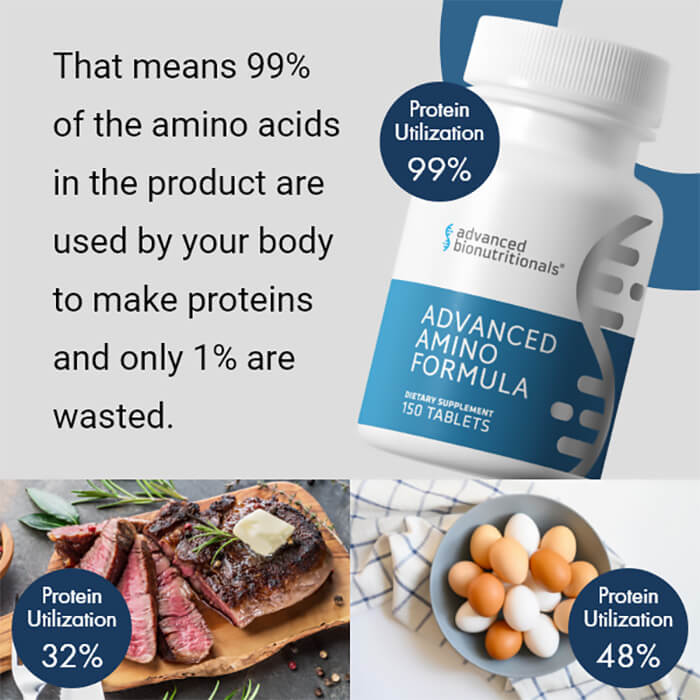
Advanced Amino 8 EAAs is a tablet product with a proprietary free-form blend of eight essential amino acids (histidine not included on the standard listing). Materials commonly describe about a 5 g (~5,000 mg) blend across five tablets per serving. Follow the live label.
Buy-if: your calendar includes social drinking weeks, you still lift 2–3× weekly (or are restarting lightly), you protect food protein most days when you can, and you want a compact EAA option when drinking weeks make meals skipped or undersized.
Skip-if: you hope tablets replace moderation, support services, or strength work; you will not address protein at meals; you want an alcohol detox, hangover cure, or liver treatment; you have PKU or significant kidney/liver disease without clinician clearance; you need a full nine-EAA profile and this label’s eight-amino design is a deal-breaker for you.
Limits: not an alcohol detox, hangover cure, liver treatment, or muscle-loss cure; 8 vs 9 EAAs; blend transparency is total-first (proprietary blend); not a meal replacement; manufacturer claims are claims, not guaranteed personal results; no invented prices here — check the live offer page.
One reader-facing line sometimes shared in manufacturer materials — secondary only — is a customer note that “It Feels Like My Muscles Are Waking Up and Working.” Treat that as a subjective experience report, not a clinical outcome claim.
If that matches, review the current offer here: Advanced Amino 8 EAAs.
Hierarchy reminder (alcohol edition)
Keep the order honest even when the weekend is loud:
- Moderation and pattern control — cut binge-adjacent nights; avoid large post-lift drinking if adaptation is the goal; seek clinical/support help for dependence or liver concerns
- Resistance training 2–3× per week (scaled to recovery and joints)
- Food protein across the day — especially on drinking days
- Optional EAA tablets as compact support when drinking weeks make meals slip
That hierarchy is how you fight alcohol muscle loss after 50 without buying a bottle while ignoring the pour — or abandoning training because one weekend got away from you.
Who should be careful / talk to a clinician
Pause and get personalized advice if you have:
- Rapid muscle or weight loss, frequent falls, or frank frailty
- Known or suspected liver disease, concerning abdominal symptoms, or clinician limits on alcohol
- A pattern of dependence, inability to cut back, or drinking that feels unsafe — use clinical care and support services, not a supplement page
- Medications that interact with alcohol or change protein/training recommendations
- PKU, significant kidney or liver disease, or a clinician-directed protein restriction
- A pattern where drinking reliably deletes both protein and training — fix the pour and the schedule first
Muscle protection outranks grinding through drinking weeks without a plan. Essential amino acids are not a treatment for alcohol use disorder, hangover, or liver disease.
FAQ
Does alcohol cause muscle loss after 50?
It can contribute — especially through heavier/frequent patterns in some observational work, recovery blunting after large post-exercise doses in acute research, and everyday habits that delete training and protein. Light social drinking is not automatically the same risk as binge-adjacent weeks. It is usually one factor in a stack, not a single-cause verdict.
Does drinking after a workout hurt muscle recovery after 50?
Large post-exercise alcohol doses have been shown (in younger trained men) to blunt myofibrillar protein synthesis even when protein is co-ingested (~24% lower vs protein alone in Parr et al.). That is not proof that a small social glass equals that protocol — but if adaptation is the goal, stacking a heavy drinking bout right after lifting is a poor recovery strategy after 50 as well.
How much alcohol hurts muscle after 50?
There is no single universal “muscle-safe” number. Heavier and more frequent patterns carry more lifestyle risk for lean mass in some older-adult research; binge-adjacent nights reliably delete sleep, protein, and sessions. Decide limits with your clinician when liver health, medications, or dependence are in play.
Weekend wine and beer — do they cause muscle loss midlife?
Not automatically. The risk rises when weekends repeatedly skip protein, wreck sleep, and cancel training. Wine beer muscle loss after 50 is usually a pattern problem, not a single-glass morality play.
How do I protect muscle on drinking weeks after 50?
Moderate on purpose, avoid large post-lift drinking when you care about adaptation, keep resistance training 2–3× weekly, protect food protein on drinking days, sleep when you can, and consider EAA tablets only as optional top-up when meals collapse.
Can EAA tablets help when drinking weeks disrupt protein after 50?
They may help cover essential amino acids when meals slip — if the training habit remains. They will not detox alcohol, cure a hangover, treat the liver, or replace progressive strength work. Follow the label and your clinician’s advice.
Bottom line
Alcohol muscle loss after 50 is less about a scary one-glass headline and more about what drinking weeks steal: sessions, protein, sleep, and recovery bandwidth.
Defend the minimums. Moderate on purpose. Lift on purpose. Eat protein on purpose — especially on social nights. Then, if drinking weeks keep collapsing meals, a compact eight-amino option like Advanced Amino 8 EAAs can sit in the stack — after behavior, not instead of it.
Protect the weekend. Then protect the muscle.


