
If you are searching how to reverse muscle loss after 50, you probably are not looking for a textbook definition.

You want the stairs to feel less like a negotiation. You want to stand from a low chair without that second push. You want bags, jars, and handrails to feel familiar again. Those everyday frictions are often the first sarcopenia symptoms after 50—even before anyone uses the clinical word.
Can you “reverse” every year of change? Honest answer: you can often regain muscle strength after 50 and improve function in a meaningful way. The path is not mysterious. It is also not a pill-first story.
Educational note: This article is educational, not medical advice. It does not diagnose or treat sarcopenia or any disease. Sudden weakness, unexplained weight loss, falls, or neurological symptoms need a clinician—not a supplement aisle.
Early signs vs normal tiredness
Busy weeks make everyone tired. Pattern matters more than one bad day.
Watch for clusters that keep returning:
- Stairs or hills that used to feel automatic
- Chair stands and sofa exits that feel sticky
- Weaker grip on jars, bags, or railings
- Slower walking pace or shorter “easy” walks
- Longer bounce-back after ordinary activity
One hard weekend is noise. The same friction for months is information.
Also notice what improved habits already change: a week of better sleep, two strength sessions, or more protein at breakfast can make next week’s stairs feel different. That responsiveness is the point of a reverse plan—you are looking for a trainable system, not a fixed decline story.
For a deeper signs-and-causes guide, see muscle loss after 50.
Sarcopenia vs normal age-related loss
Sarcopenia usually refers to a more advanced loss of muscle mass, strength, and function with age. Not every creaky stair means you have a clinical diagnosis. The useful move is the same either way: protect function early.
“Reverse” in real life usually means:
- More strength in movements that matter
- Better confidence carrying and climbing
- Less fear of the next flight of stairs
It does not mean erasing aging with a bottle.
Step 1: Prevent sarcopenia with resistance training (2–3× / week)
If you remember one line from this article, make it this: resistance training to help prevent sarcopenia is the foundation of any reverse plan.
Practical minimum for many adults over 50:
- 2–3 sessions per week
- Focus on sit-to-stands / squats as tolerated, hip hinges, rows or pulls, and carries
- Progress slowly: add reps or load when form feels solid
- Joint-friendly beats heroic
Walking helps health. It rarely replaces progressive loading if strength is the goal. For a practical strength playbook, see build muscle after 50.
Step 2: Protein and strength training for sarcopenia (across the day)
Protein and strength training for sarcopenia work together. Training creates the demand; protein supplies materials.
Useful habits:
- Include a protein-containing food at breakfast, not only dinner
- Prefer meals you can finish (eggs, fish, dairy or alternatives, legumes, tofu, lean meats)
- Avoid relying on one giant evening plate after a low-protein day
If appetite is the bottleneck, that is a different article problem. Here the default assumption is: you can eat, you just need a clearer training-and-protein plan.
A simple plate rule many adults over 50 find workable: include a palm-sized protein source at two meals minimum, then judge energy and recovery for two weeks before changing everything else. Pair that with the strength sessions above. Regain muscle strength after 50 is usually the product of boring repetition, not a dramatic overhaul.
Avoid the common trap of perfect macros on paper and zero progressive loading in the room. Protein without stimulus underperforms. Stimulus without protein also underperforms.
Step 3: Where essential amino acids for older adults fit
Essential amino acids for older adults can support the plan when food and training are already in motion—especially if you want a compact EAA dose around training days.
They are support. They are not the reverse button.
For the educational foundation, see essential amino acids after 50. If you are comparing formulas, see EAA vs BCAA after 50.
When Advanced Amino Formula may fit
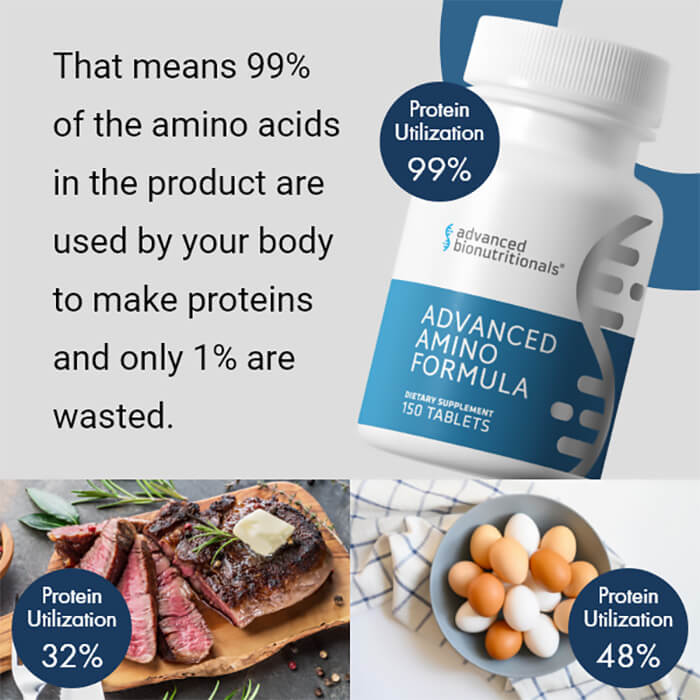
Advanced Amino Formula is a tablet product with a free-form blend of eight essential amino acids (including leucine). Materials commonly describe about a 5,000 mg blend per serving (often five tablets). Follow the live label.
Fit: you are training 2–3× weekly, eating protein across the day, and want a compact EAA option as support.
Limits: eight EAAs listed (no histidine); blend transparency is total-first; manufacturer claims are claims; PKU / significant kidney or liver disease need clinician guidance.
One user, Jacqui, described muscles that felt like they were “waking up and working.” Keep that as a light experiential note—not your proof of reversal.
If the fit is right, review the current offer here: Advanced Amino Formula.
When to see a doctor
Seek medical advice promptly if you notice:
- Rapid or unexplained muscle loss or weight loss
- Frequent falls or near-falls
- Numbness, severe pain, or sudden neurological change
- Weakness that progresses over days, not months
Supplements and blog plans are for education and lifestyle support—not emergency care.
A simple 30-day reverse framework
Week 1: Lock two strength sessions + protein at breakfast
Weeks 2–3: Keep the same movements; add small load or reps when ready
Week 4: Judge function—stairs, chair stands, carrying, walking pace—not only the mirror
Optional: use an EAA tablet serving as labeled around training days only after the basics are real.
Confirm product details on the official page linked above when you are ready to compare labels.
FAQ
Can you reverse muscle loss after 50?
Many people can improve strength and function with consistent resistance training and better protein habits. “Reverse” means meaningful regain—not a rewind to age 25.
What are common sarcopenia symptoms after 50?
Functional clues: stairs, chair stands, grip, walking speed, and slower recovery. A clinician diagnoses clinical sarcopenia; you can still act on early friction.
Is walking enough?
Walking is valuable. For strength regain, add progressive resistance work.
Do EAA tablets reverse sarcopenia alone?
No. They may support amino-acid intake beside training and food.
How fast will I notice changes?
Think weeks for function, not overnight. Consistency beats intensity spikes.
Bottom line
How to reverse muscle loss after 50 is mostly a behavior stack: resistance training 2–3× per week, protein across the day, recovery, then optional essential amino acids for older adults as support.
Start with the chair stand and the stairs. Measure progress by what you can do. If you want a compact eight-amino tablet after those basics, inspect Advanced Amino Formula with clear limits—and keep the work in the work.


