
Intermittent fasting can feel simpler after 50: fewer decisions, a cleaner calendar, maybe easier weight control.

It can also quietly widen amino-acid gaps. If your eating window is short, breakfast disappears, and lifting gets postponed, intermittent fasting muscle loss after 50 stops being an internet myth and starts looking like weaker stairs and slower chair stands.
You do not have to quit your window to protect muscle. You do have to stop treating the fast as permission to under-train and under-protein.
Educational note: This is educational, not medical advice. Aggressive fasting is a poor fit for some people (history of disordered eating, certain medications, uncontrolled medical conditions, pregnancy, frailty). Ask a qualified clinician before major diet timing changes—especially if you have diabetes, kidney disease, or unexplained weight loss.
Why midlife muscle reacts to long fasting gaps
Time-restricted eating after 50 collides with two realities: older muscle often needs a clearer protein stimulus across the day, and long gaps mean fewer chances to hit that stimulus. Fasting is a timing tool, not a muscle program. If the only protein in a 6–8 hour window is one rushed dinner, lean tissue pays first.
Watch for early friction in early signs of muscle loss after 50.
What research-minded practice keeps repeating
Resistance training as the main signal → enough protein inside the hours you eat → sleep → supplements only after those basics. Preserve muscle while intermittent fasting after 50 is mostly a training-and-protein problem wearing a fasting costume.
See what actually builds muscle after 50 and how to maintain muscle after 50.
Resistance training 2–3× / week with IF
Lift 2–3× per week even on fasting plans. Place sessions so you can eat a solid protein meal in the window when possible. If energy on fasted mornings is poor, train inside the eating window. Adherence beats ideology.
Pack protein into the eating window
| Habit | Better for muscle | Worse for muscle |
|---|---|---|
| Window protein | 2–3 protein-forward meals/snacks | One giant late dinner |
| First meal | Hits a real protein dose | Coffee-only “break-fast” |
| Training day | Protein near the session | Session + sparse window |
Aim for protein-dense foods inside the hours you eat. Daily totals still matter; so does not leaving an 18-hour silent gap.
Where EAA tablets fit (compressed windows)
Top-up support on compressed days — not a meal replacement, not a free pass to skip training. Foundation: essential amino acids after 50.
Advanced Amino — honest label
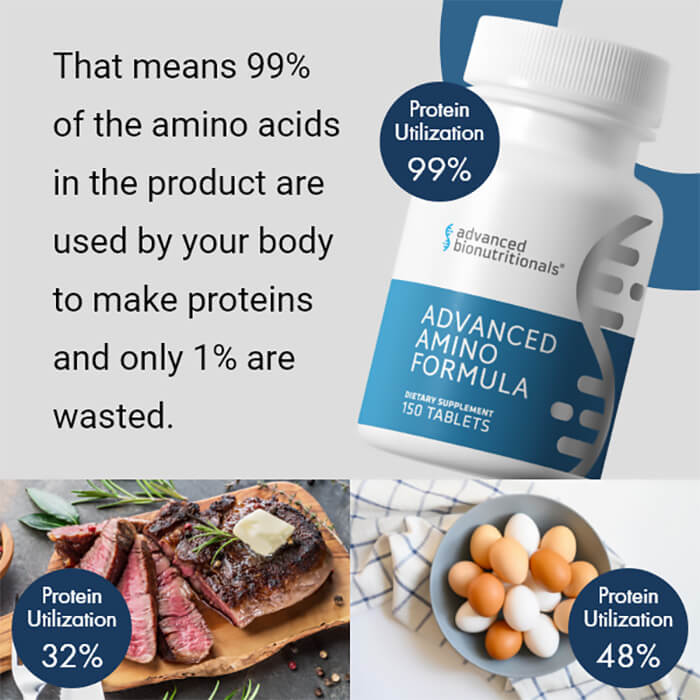
Advanced Amino Formula — free-form blend of eight EAAs (no histidine); about 5,000 mg blend per serving (often five tablets). Follow the live label.
Fit: you keep IF for lifestyle reasons, still lift, pack protein into the window, and want a compact EAA option on compressed days.
Review the offer: Advanced Amino Formula.
Who should skip aggressive IF
Frailty, disordered eating history, medical advice against prolonged fasting, or a pattern where IF deletes protein and training. Muscle protection outranks fasting aesthetics.
FAQ
Does intermittent fasting cause muscle loss after 50? It can if protein and resistance training drop.
Can I do 16:8 and still protect muscle? Often yes — lift 2–3× weekly and pack protein into the window.
What matters more—the fast or the lift? The lift. Then protein in the window. Then optional EAA support.
Bottom line
Intermittent fasting muscle loss after 50 is usually what happens when the window steals protein and training—not when the clock alone is evil.
Keep the window if you love it. Defend muscle with resistance work 2–3× per week, deliberate protein inside the hours you eat, and optional EAA tablets on compressed days. Inspect Advanced Amino Formula after the plan is real.
Protect the muscle. Then keep the window—if it still serves you.


